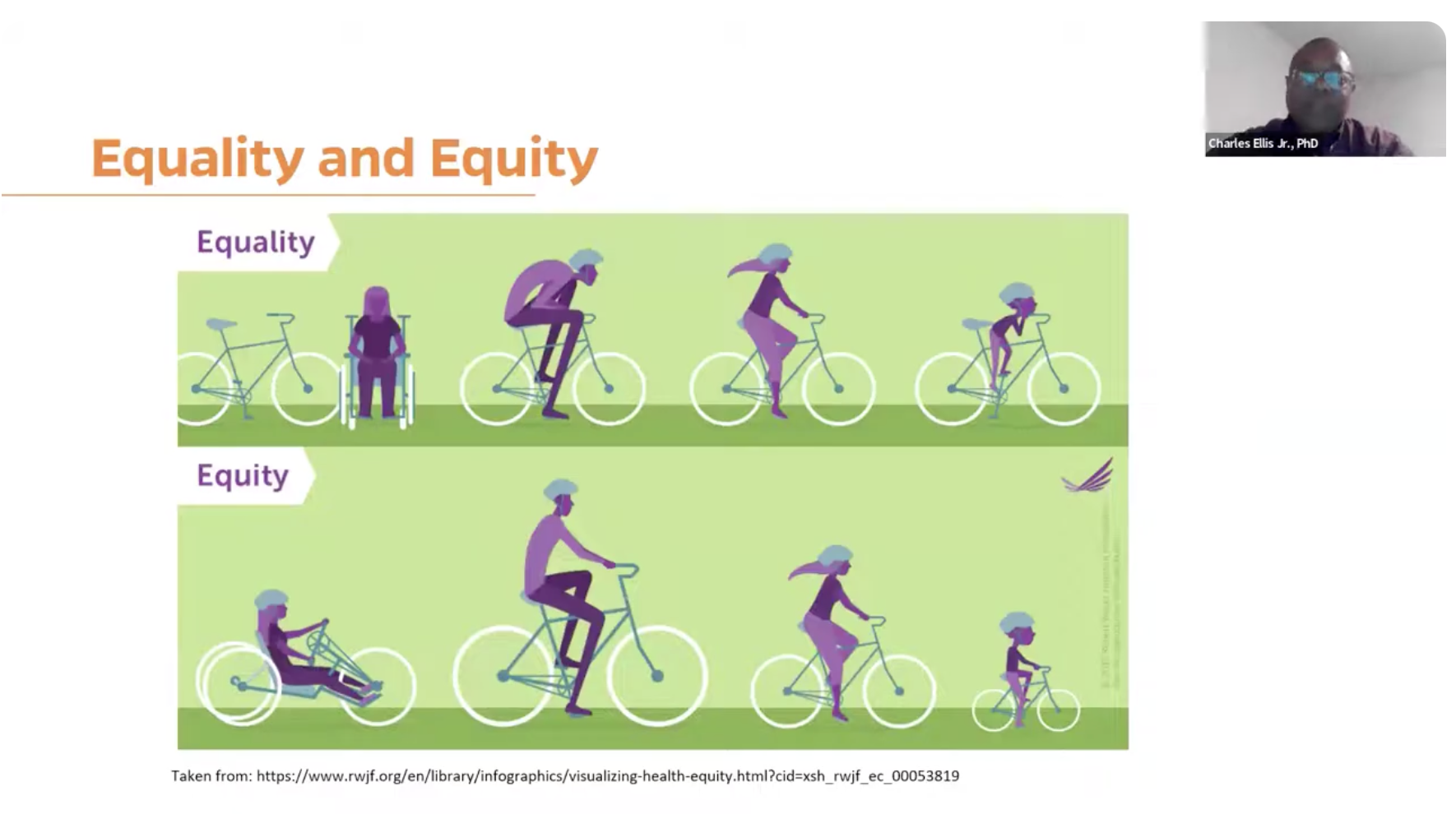
According to the World Health Organization, health equity is achieved when everyone can attain their full potential for health and well-being.
Health equity is the absence of unfair, avoidable or remediable differences among groups of people. These group differences can be:
Watch this clip from our February 2024 “Ask the Expert” webinar, in which Dr. Charles Ellis explains what health equity is and why it is important for the aphasia community.
Health equity is impacted by a number of medical and non-medical factors. These include:
The non-medical conditions that impact health and health equity are referred to as social determinants of health. They are shaped by systems (economic, legal, social, environmental, etc) – not by personal choices. When people have fewer resources and opportunities, it can lead to unfair health differences. This is often the case for minority groups of people.
Although many of the factors listed above may feel out of our control, there are actions each of us can take to promote health equity for people with aphasia:
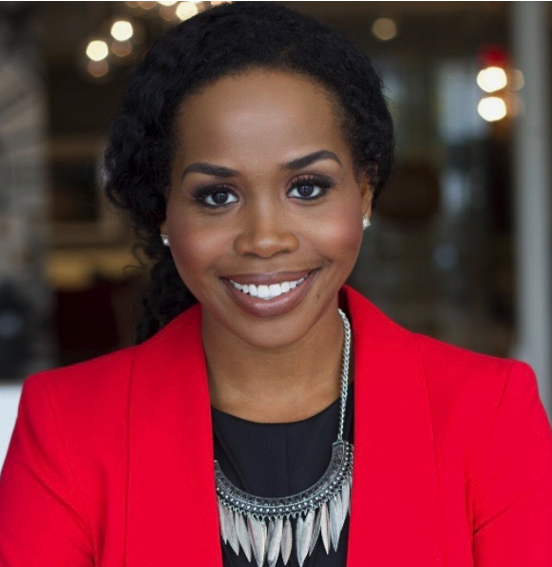
The National Aphasia Association (NAA) is proud to honor the legacy of Dr. Davetrina Seles Gadson, a remarkable leader in speech-language pathology and health equity. Her groundbreaking work advanced our understanding of aphasia care for underserved communities, especially that of black people with aphasia, and inspired a commitment to fostering change in healthcare systems.
In her memory, the NAA launched the Davetrina Seles Gadson Health Equity Mini-Grant Program, an initiative designed to support innovative projects that address systemic inequities in aphasia care and research. This program encourages efforts that align with one or more of the eight health equity objectives Dr. Gadson so passionately championed:
By empowering individuals and organizations to take meaningful action on these objectives, the NAA aims to continue Dr. Gadson’s legacy of advocacy and impact.