Select a Topic:

What is health equity?

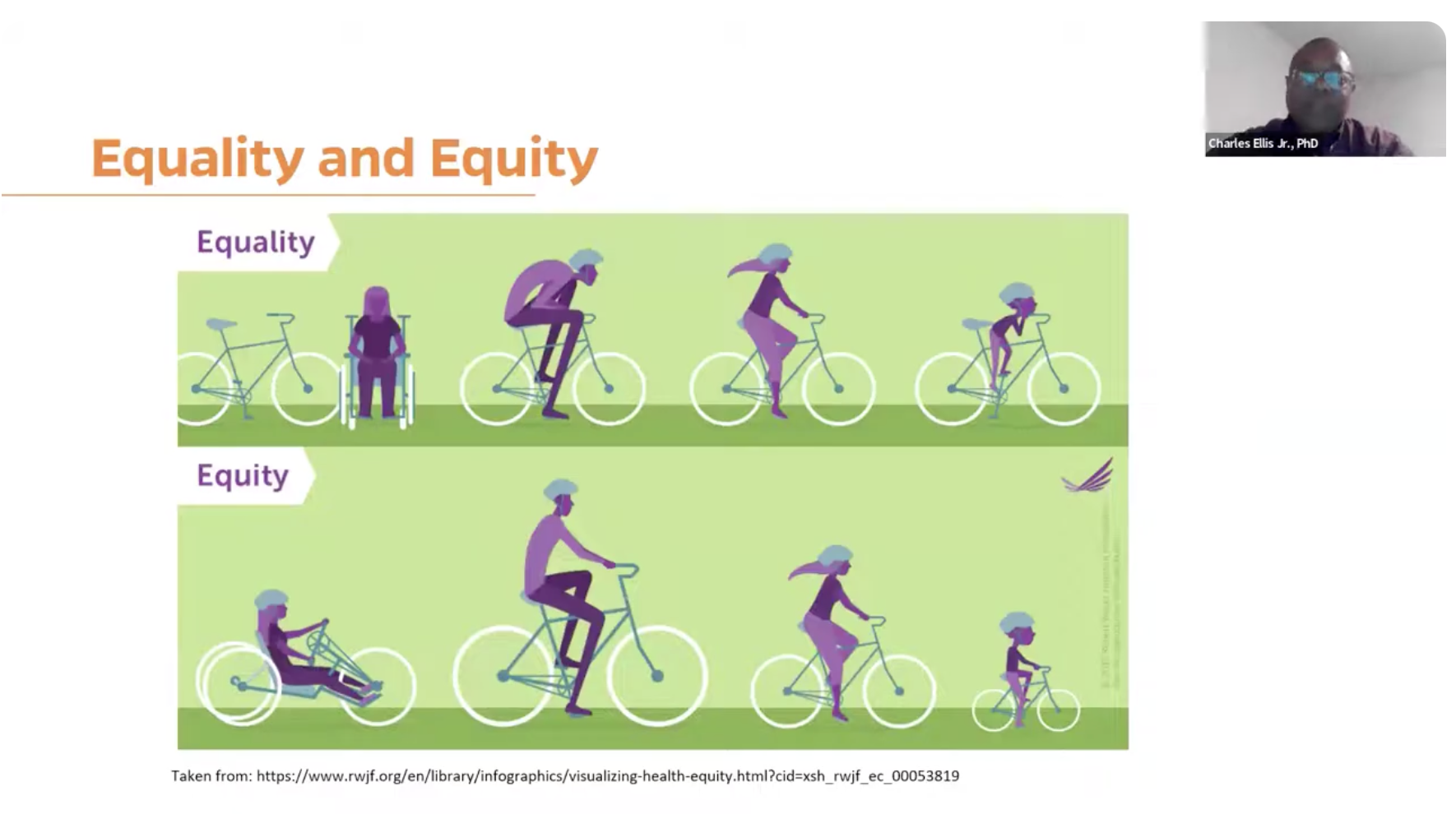
According to the World Health Organization, health equity is achieved when everyone can attain their full potential for health and well-being.

Health equity is the absence of unfair, avoidable or remediable differences among groups of people. These group differences can be:

  • social
  • economic
  • demographic
  • geographic

Watch this clip from our February 2024 “Ask the Expert” webinar, in which Dr. Charles Ellis explains what health equity is and why it is important for the aphasia community.

What impacts health equity?

Health equity is impacted by a number of medical and non-medical factors. These include:

  • Access to health care
  • Access to health insurance
  • Age
  • Sex
  • Sexual Orientation
  • Race
  • Ethnicity
  • Culture
  • Education
  • Employment
  • Language
  • Whether they have a disability
  • Access to housing, where they live, what living conditions are
  • Financial situation

The non-medical conditions that impact health and health equity are referred to as social determinants of health. They are shaped by systems (economic, legal, social, environmental, etc) – not by personal choices.  When people have fewer resources and opportunities, it can lead to unfair health differences. This is often the case for minority groups of people.

Actionable ways to promote health equity

Although many of the factors listed above may feel out of our control, there are actions each of us can take to promote health equity for people with aphasia:


For Clinicians

  • Practice cultural humility and the Life Participation Approach to Aphasia
  • Ask people with aphasia and their care partners:
    • “What does communication look like in your life?”
    • “Who do you need to communicate with most?”
    • “What are your communication goals?
    • “What other supports do you need?”
  • Adapt assessments:
    • Supplement standardized tests with meaningful conversation
    • Use functional, meaningful communication tasks
  • Treat patients as whole people, not diagnoses

For Researchers

  • Include:
    • Diverse participants
    • Patient-reported outcomes
  • Examine why disparities exist, not just that they exist
  • Partner with communities rather than studying them from a distance

For Organizations & Advocates

  • Center people with aphasia in:
    • Program design
    • Leadership
    • Decision-making
  • Invest in:
    • Peer-led support groups
    • Community-based education
  • Advocate for:
    • Equitable access to therapy
    • Insurance coverage
    • Transportation and telehealth options

Davetrina Seles Gadson Health Equity Mini-Grant Program

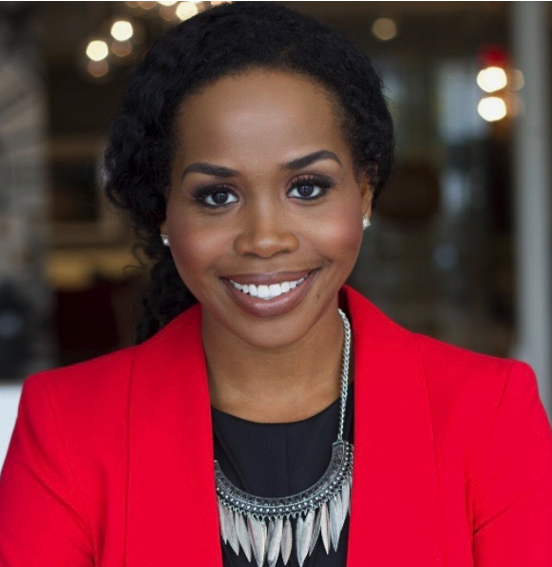
Dr. Davetrina Seles Gadson headshot

The National Aphasia Association (NAA) is proud to honor the legacy of Dr. Davetrina Seles Gadson, a remarkable leader in speech-language pathology and health equity. Her groundbreaking work advanced our understanding of aphasia care for underserved communities, especially that of black people with aphasia, and inspired a commitment to fostering change in healthcare systems.

In her memory, the NAA launched the Davetrina Seles Gadson Health Equity Mini-Grant Program, an initiative designed to support innovative projects that address systemic inequities in aphasia care and research. This program encourages efforts that align with one or more of the eight health equity objectives Dr. Gadson so passionately championed:

  1. Expand Workforce Diversity
  2. Provide Education on Health Disparities and Health Equity
  3. Provide Implicit Bias Training
  4. Use Patient-Reported Outcomes for Person-Centered Care
  5. Facilitate Health Literacy for Clients and Care Partners
  6. Engage Representative Samples in Research
  7. Report Race and Ethnicity Data in Research Publications
  8. Fund Minority Researchers and Research to Promote Health Equity

By empowering individuals and organizations to take meaningful action on these objectives, the NAA aims to continue Dr. Gadson’s legacy of advocacy and impact.

Additional Resources

Websites:

Videos:

Research Articles:

Continuing Education for Speech-Language Pathologists

woman caregiver giving a side hug to an elderly woman, , National Aphasia Association