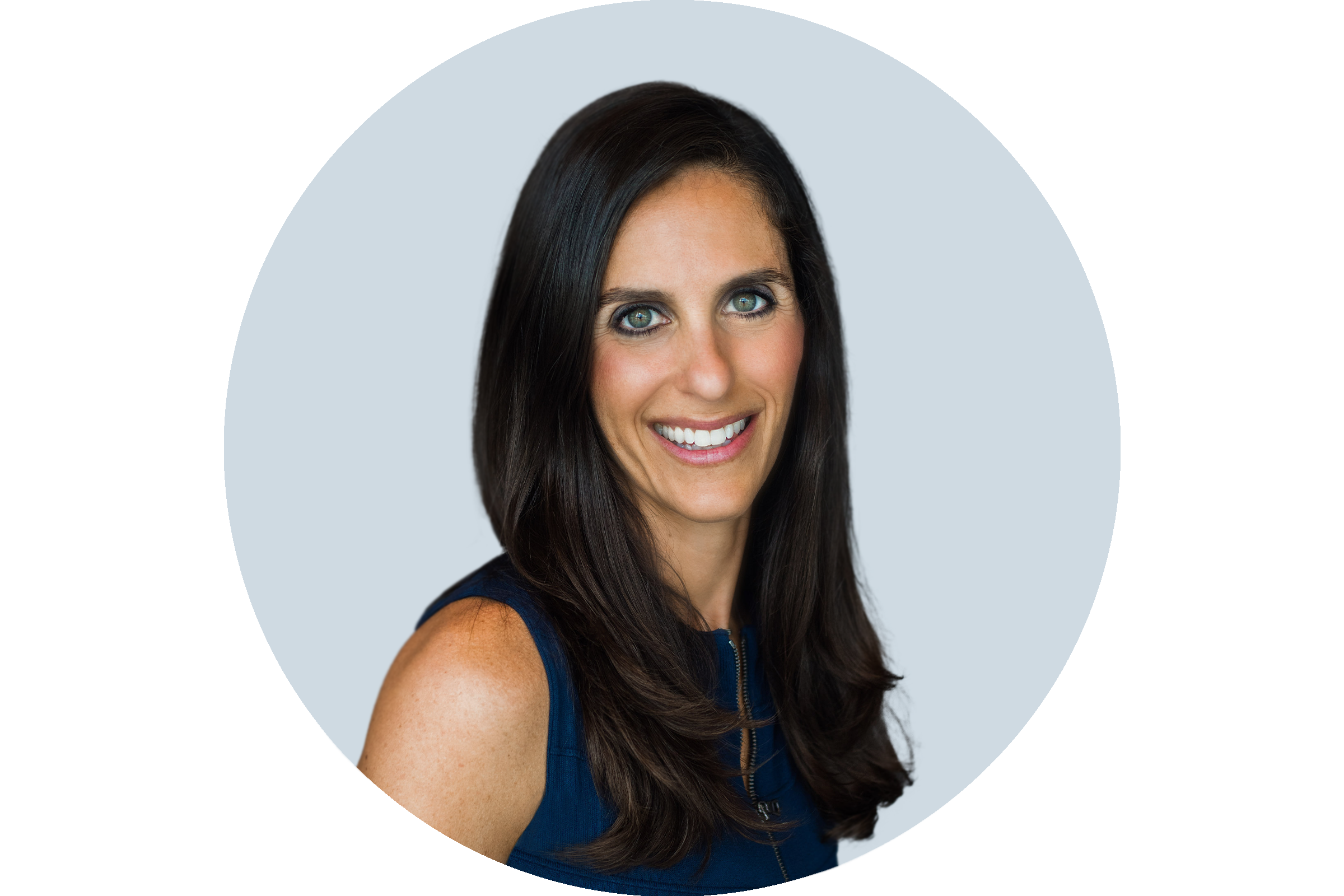
Connected Speech Pathology provides online speech therapy for adults with aphasia after a stroke or brain injury. Sessions are one-on-one and held live by video. You or your loved one can work with an experienced speech-language pathologist from home. Therapy is built around everyday goals, like finding words, following conversations, reading, writing, and getting your thoughts across. We also treat related conditions, including dysarthria and apraxia of speech. Allison Geller, M.A., CCC-SLP, founded the practice in 2018. Our speech-language pathologists average about 15 years of experience. Start with a free consultation to talk through your goals.
Services Offered
Services
Speech Therapy for Aphasia (Virtual)
Aphasia makes it harder to find words, understand what others say, read, or write. It does not affect intelligence. Therapy focuses on the goals that matter in daily life, such as talking with family, using the phone, ordering at a restaurant, or reading the mail. Your speech-language pathologist also teaches strategies that make conversations easier, both for the person with aphasia and for the people they talk with most.
Speech Therapy for Dysarthria (Virtual)
Dysarthria happens when the muscles used for speaking are weak or hard to control, often after a stroke or brain injury, or with Parkinson's disease. Speech may sound slurred, quiet, or rushed. Therapy works on being understood: speaking clearly, getting enough breath behind the voice, and pacing speech. For people with Parkinson's, we also offer LSVT LOUD and SPEAK OUT!, two programs designed for the voice changes Parkinson's can bring.
Therapy for Acquired Apraxia of Speech (Virtual)
Apraxia of speech makes it hard for the brain to plan the movements needed to say words, even though the speech muscles themselves work. A person may know exactly what they want to say but struggle to get the sounds out in the right order, and the same word may come out differently each time. Therapy uses structured, repeated practice of words and phrases that matter in daily life, with the goal of making speech more reliable.
A listing in our database should not be viewed as an endorsement for any particular service, program, technology, or group. Read the full disclaimer.
Clinical Trials
Clinical trials test the safety and effectiveness of new treatments. Also known as intervention studies, clinical trials test whether a new type of treatment, compared to a control or “usual” treatment, may be beneficial for people with aphasia.
A full list of registered clinical trials may be found on clinicaltrials.gov. You can filter your search by several areas including: condition, location, treatment, and certain eligibility criteria (click on “More Filters”).
Observational Studies
Observational studies, including neuroimaging studies and behavioral studies about language and other parts of cognition
Observational studies examine how people with aphasia present and how aphasia can change over time. Observational studies can help lead to the development of new therapies and provide a deeper understanding of what aphasia can “look like.”
Qualitative Studies
Qualitative studies, including interviews and focus groups
Qualitative studies can provide deeper insight into what it means to live with aphasia.