Select a Topic:

About

The Davetrina Seles Gadson Health Equity Mini-Grants support small but impactful and innovative projects focused on health equity in aphasia. We are currently offering up to three mini-grants of $500 each.

These mini-grants honor the legacy of Dr. Davetrina Seles Gadson, a remarkable leader in speech-language pathology and health equity. Her groundbreaking work advanced our understanding of aphasia care for underserved communities and inspired a commitment to fostering change in healthcare systems.

The goal of these awards is to support community-based, research-informed, or advocacy projects that:

  • Address health disparities in aphasia diagnosis or treatment
  • Center voices and experiences of underserved populations
  • Improve culturally responsive care or outreach in aphasia
  • Support inclusive programming or accessible resources

While the available funding is modest, we hope it will seed ideas and amplify voices doing this essential work.

What We’re Looking For

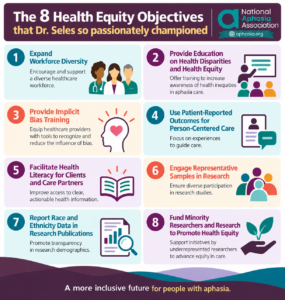
This program encourages efforts that align with one ore more of the eight health equity objectives that Dr. Seles so passionately championed:

  • Expand Workforce Diversity: Encourage and support a diverse healthcare workforce.
  • Provide Education on Health Disparities and Health Equity: Offer training to increase awareness of health inequities in aphasia care.
  • Provide Implicit Bias Training: Equip healthcare providers with tools to recognize and reduce the influence of bias.
  • Use Patient-Reported Outcomes for Person-Centered Care: Focus on experiences to guide care.
  • Facilitate Health Literacy for Clients and Care Partners: Improve access to clear, actionable health information.
  • Engage Representative Samples in Research: Ensure diverse participation in research studies.
  • Report Race and Ethnicity Data in Research Publications: Promote transparency in research demographics.
  • Fund Minority Researchers and Research to Promote Health Equity: Support initiatives by underrepresented researchers to advance equity in care.

Who Should Apply

We encourage applications from:

  • Researchers and clinicians
  • Interdisciplinary teams
  • Community leaders and advocates
  • Nonprofit organizations
  • Students

Our February 2026 “Ask the Expert” webinar honored the legacy of Dr. Seles:

  • Those who knew Dr. Seles and were influenced by her work shared their thoughts and reflections.
  • We introduced the Mini-Grant program and the Health Equity page
  • Portions of the February 2024 Ask the Expert webinar: Clinical Diversity Issues in Aphasia were replayed
  • Angie Cauthorn shared her memories of Dr. Seles, including how she supported her as a Black American with aphasia and how they co-hosted the Brain Friends podcast. She encouraged us to continue her legacy.

Click here to view this video and related resources in our Ask the Expert Webinar Library.

Important Dates

Applications for the 2026 Davetrina Seles Gadson Health Equity Mini-Grants have closed. Awardees will be announced soon.

  • Applications / Proposal deadline:  February 10, 2026
  • Awards Announcement:  April 2026
  • Research / Project Dates:  2026

Mini-Grant Recipients

We are pleased to share the recipients of the Davetrina Seles Gadson Health Equity Mini-Grants—supporting projects that advance equity, representation, and access in aphasia care.

This first cycle (2026) brought forward a remarkable range of thoughtful, innovative, and deeply personal proposals. The review process was both inspiring and challenging, reflecting the strength of ideas emerging across our community. We greatly appreciate those who served in this reviewer capacity.

2026

Aphasian, Gifted, and Black: Expressions of Strength
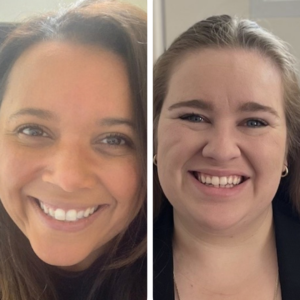
Warren Brown, PhD, CCC-SLP – Jackson State University

This project is an unedited anthology centering the voices and lived experiences of Black individuals with aphasia and their caregivers. Through essays, poetry, reflections, and other creative forms, it highlights identity, resilience, family support, and the realities of navigating healthcare and systemic barriers—offering a perspective largely absent from existing clinical resources.

From Awareness to Action: Aphasia Literacy
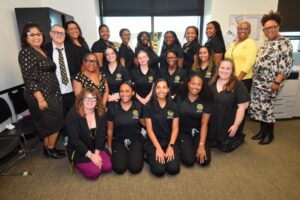
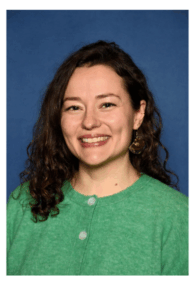
Melissa Handy – Xavier University of Louisiana

This project expands community health fairs to include aphasia screenings, stroke education, and accessible communication resources. By developing aphasia-friendly materials and interactive tools, it aims to increase awareness, reduce stigma, promote early identification, and improve access to care—particularly in underserved communities.

Race, Lesion Size & Aphasia Severity Replication

Victoria Tilton-Bolowsky – Teachers College, Columbia University

This project builds on Dr. Davetrina Seles Gadson’s foundational research by further examining disparities in aphasia outcomes related to race and lesion size. By continuing this important line of inquiry, the study seeks to deepen understanding of inequities in aphasia care and support more equitable clinical practices and outcomes.

woman caregiver giving a side hug to an elderly woman, , National Aphasia Association