
A new guide from the NAA!
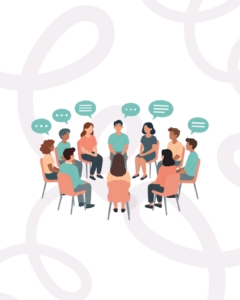
Creating Connection, One Group at a Time
One of the questions we hear often at the National Aphasia Association is: “There isn’t an aphasia group near me. How can I start one?”
Maybe you are a person with aphasia looking for more connection.
Maybe you are a care partner who wishes your family had found a community sooner.
Maybe you are a speech-language pathologist, healthcare professional, student, librarian, or community member who sees a need.
Our first message to you is simple: You can start something. It does not have to be big. Start small. You don’t need to have everything figured out. Connection is the point.
What does an aphasia group look like?
There is no single “right” kind of aphasia group.
A group might be built around peer support and sharing experiences. It could focus on conversation practice, education, advocacy, or activities like art, music, games, and cooking.
It might meet in a library, rehabilitation center, community space, or online.
And it might begin with only a few people.
In fact, one of our favorite reminders in our new guide is: Small groups can be powerful. Keep going.
You don’t need a degree… you need heart, compassion and a bit of creativity!
This is important.
Aphasia groups can be started by speech-language pathologists and healthcare organizations — but they can also be started by people with aphasia, care partners, family members, libraries, community organizations, and others who want to create connection.
You don’t need to know exactly what every meeting will look like before you begin.
Start by asking a few questions:
- Who do I hope to bring together?
- What does our community need?
- Where could we meet?
- Who might partner with me?
- Is there already an aphasia group nearby?
Before starting something new, we encourage you to search the NAA Aphasia Group Directory. You may discover an existing group — or even find a potential partner for the group you hope to create. Collaboration is amazing!
What makes a great aphasia group?
It isn’t a perfect agenda.
It isn’t a large attendance number.
And it isn’t having an expert in the room every week.
It’s connection.
A successful group is one where people feel welcome. Communication is supported. Everyone has a way to participate. People laugh, learn, share, and want to come back.
We’ve made it easier to get started
The National Aphasia Association has created a new resource: Creating Connection: A Guide to Starting an Aphasia Group.
This easy-to-use guide walks you through the process, including:
- choosing the type of group you want to create
- finding a meeting space
- reaching potential members
- making meetings aphasia-friendly
- planning your first meeting
- finding activity ideas
- handling common challenges
- connecting with free NAA resources
There is even a simple readiness checklist at the end to help you decide when it’s time to say: We’re ready. Let’s do this. And the NAA is here after you start
Once your group is established, we want to know about it!
Connect with the NAA so we can help others find you through our Provider Directory and connect you with NAA resources, awareness materials, webinars, communication tools, and the broader aphasia community.
Questions? answers@aphasia.org