-

Technology and Aphasia: Making Home Practice Easier
150 people with aphasia and their loved ones were recently asked: What is the biggest challenge you face when practicing at home? Here are the top four challenges they shared, and how technology can help.
-

Want to Start an Aphasia Group? You Can!
One of the questions we hear often at the National Aphasia Association is: “There isn’t an aphasia group near me. How can I start one?” Our first message to you is simple: You can start something. It does not have to be big. Start small. You don’t need to have everything figured out. Connection is the point.
-

Tips for Traveling with Aphasia
Travel can be exciting. But it can feel different or even overwhelming with aphasia. The good news is that many people with aphasia continue to travel. Whether you want to visit family, take a vacation, or explore a new place, planning ahead and being prepared helps make your trip more enjoyable. A recent NAA “Ask the Expert” webinar highlighted travel tips and resources.
-

Aphasia Therapy Finder
The National Aphasia Association is pleased to share information about the Aphasia Therapy Finder (ATF) — a free online tool designed to help clinicians, educators, and students access evidence-based aphasia therapy resources.
-

AAC for Aphasia: It’s More Than a Device
When people hear the term AAC (Augmentative and Alternative Communication), they often just think of a speech-generating device or an app that they can use on their phone or iPad.
-
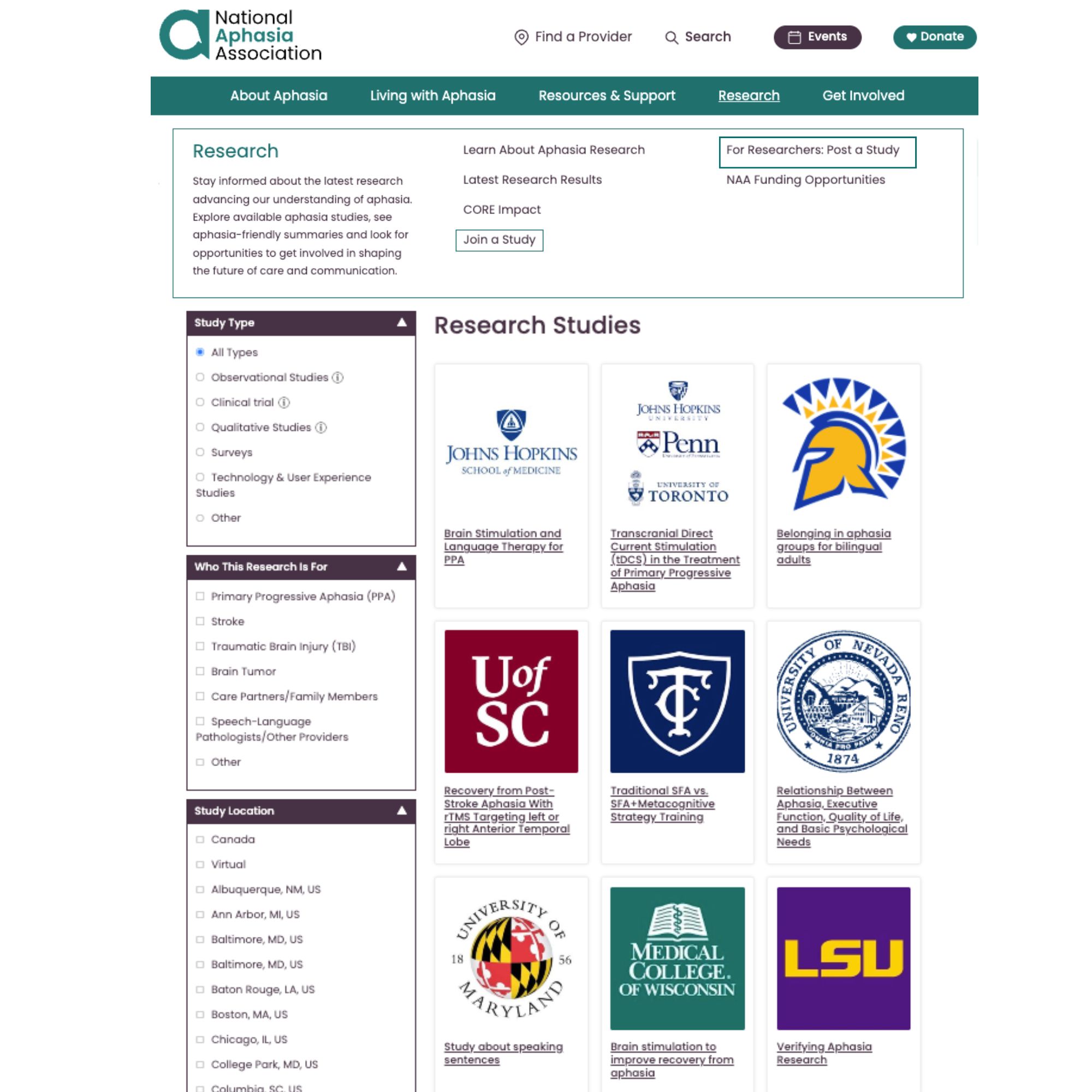
New on Our Website: Easier Ways to Share and Join Aphasia Research Studies
Research plays a critical role in improving the lives of people with aphasia — and everyone should be able to participate in that progress. We’re proud to announce the launch of two upgraded features on our website, designed with both researchers and research participants in mind. They reflect our commitment to making research more accessible, inclusive, and impactful—and to supporting the professionals who help move aphasia science forward.
-

Aphasia & Mental Health
Living with aphasia can be frustrating and stressful. Communication difficulties often impact communication with friends and family, basic life activities, and can lead to major life changes. The related stresses may continue even with adjustments to life with aphasia. Learn about symptoms of depression and what supports and strategies are available.
-
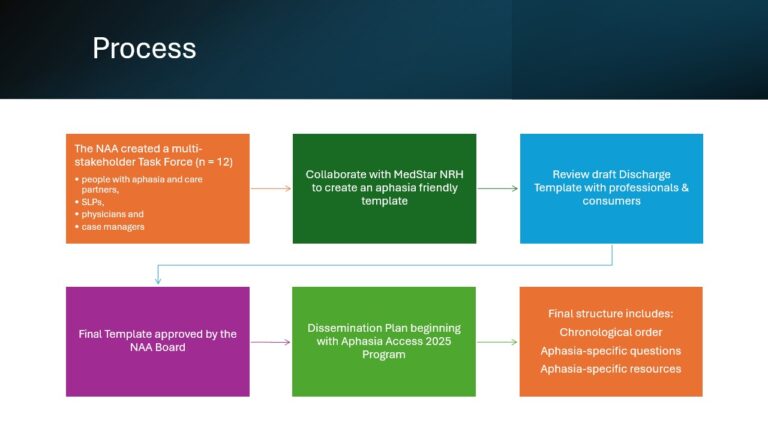
A Discharge Checklist: Helping Persons with Aphasia at Hospital Discharge
Help people with aphasia at hospital discharge People with aphasia and their families often have concerns and complaints about the lack of information they received during their hospital stay and
-
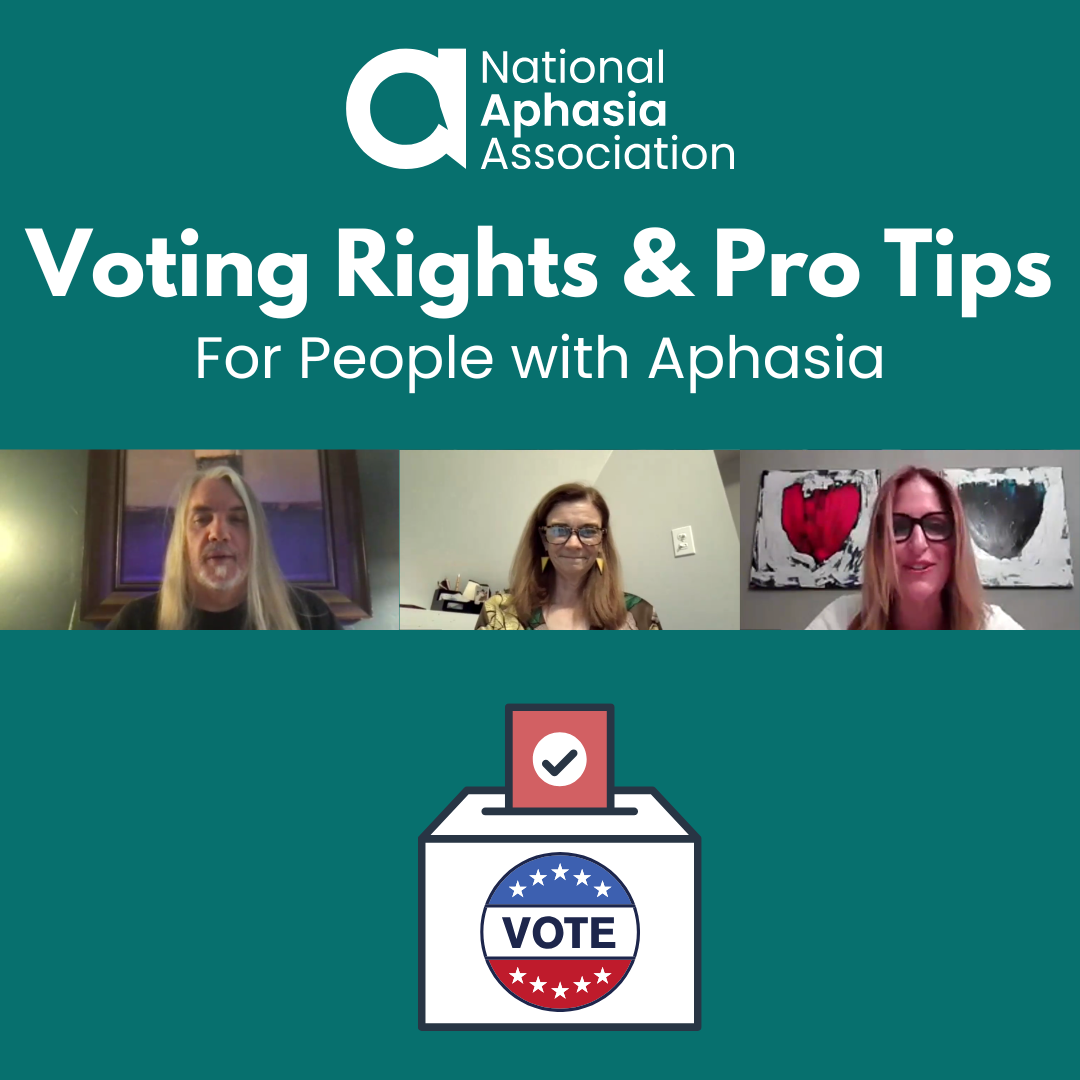
Voting Rights & Pro Tips For People With Aphasia
Our October 2024 “Ask the Expert” Webinar presented a very important topic: Voting Rights & Pro Tips For People With Aphasia. Watch the recording and check out related resources.
-
Tips, Tricks, and Tools: Aphasia Institute ParticiPics
Aphasia Institute’s “ParticiPics” is a free, virtual, searchable database of pictographic images designed to facilitate life’s conversations for people with aphasia.
- About Aphasia
- Living with Aphasia
- Resources & Support
- Research
- Get Involved
About Aphasia
Living with Aphasia
Resources & Support
- Resource Overview
- Resources for Aphasia Providers
- Resources for Aphasia Care Partners and Caregivers
- Interventions for Aphasia
- Aphasia ID Card
- Aphasia Blog
- Tools & Technology
- Books, Films, Podcasts and YouTube Channels
- Events Calendar
- NAA Program Information
- Ask the Expert Webinars
- Find a Provider
- Still Have Questions?
- Our Aphasia Community
Research
Get Involved