
This post was contributed by Jackie Hinckley, Ph.D., CCC-SLP, F-ASHA. Jackie is the chair of the NAA Board of Directors, and Professor of Speech-Language Pathology at Nova Southeastern University.
I don’t have anyone in my family who has aphasia. Yet for one year, I lived with people with aphasia every day. I lived in a dormitory with 10 – 20 people with aphasia. They came from all over the country to be part of the University of Michigan’s intensive aphasia program, and I was a graduate student.
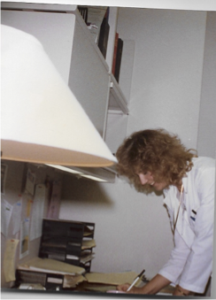 I ate my meals in the dining room with our residents, I hung out in the evening while we all did homework, I called taxis and organized outings on the weekend. I tried to figure out why someone didn’t like the food, or if someone was asking for the ketchup. I read labels for medications, snacks, and homework instructions. I helped settle disputes over the TV and tried to figure out why someone was crying. I learned how to put on a bra one-handed, and what information someone needed in their wallet to go somewhere and come back safely. I watched and learned how deep friendships were forged with practically no words. One time, I had to explain to the police that the person was not under the influence.
Knowing what people were going through every day changed how I talked with people with aphasia and what I tried to help them with in therapy. As a graduate student clinician, I felt heartsick when my supervisor disagreed with my belief that my 40-year-old client needed help finding the words he wanted to say to his 2-year-old child. I quickly realized that people with aphasia and their families needed more than therapy. They needed information, advocacy, connection, and hope.
Then something wonderful happened. An organization was born that was specifically and exclusively designed to advocate for people with aphasia and their families in the U.S. Dr. Martha Taylor Sarno, a speech-language pathologist who always championed the daily needs of people with aphasia, founded the National Aphasia Association (NAA) in 1987.
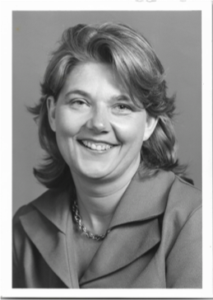 I committed immediately to support the NAA in any way that I could. The first thing I did was to refer all people with aphasia and families who I knew to the NAA, where they could receive a large packet of informational brochures and resource guides mailed to them. When I became the Program Director of Michigan’s intensive aphasia program, we gave NAA materials to everyone who crossed our threshold or who asked about our own program (1989 – 1999).
I was honored to serve on the NAA Board of Directors from about 1998-2008, and even more overjoyed to play a role in creating Speaking Out, a conference designed for people with aphasia and their families, not professionals. Nothing like that had ever previously existed in the U.S. Speaking Out gave people with aphasia and their families a place to learn, connect, and support one another. It reflected the belief that those living with aphasia should be at the center of every conversation about aphasia.
Since its founding, the NAA has changed, ebbing and flowing like any longstanding organization. The same could be said of my life and career. But my deep connection to the NAA has never changed. During nearly four decades in aphasia, the NAA and I have grown side by side. As my career evolved from graduate student to program director, researcher, educator, and advocate, the NAA evolved as well. Yet our shared purpose never changed.
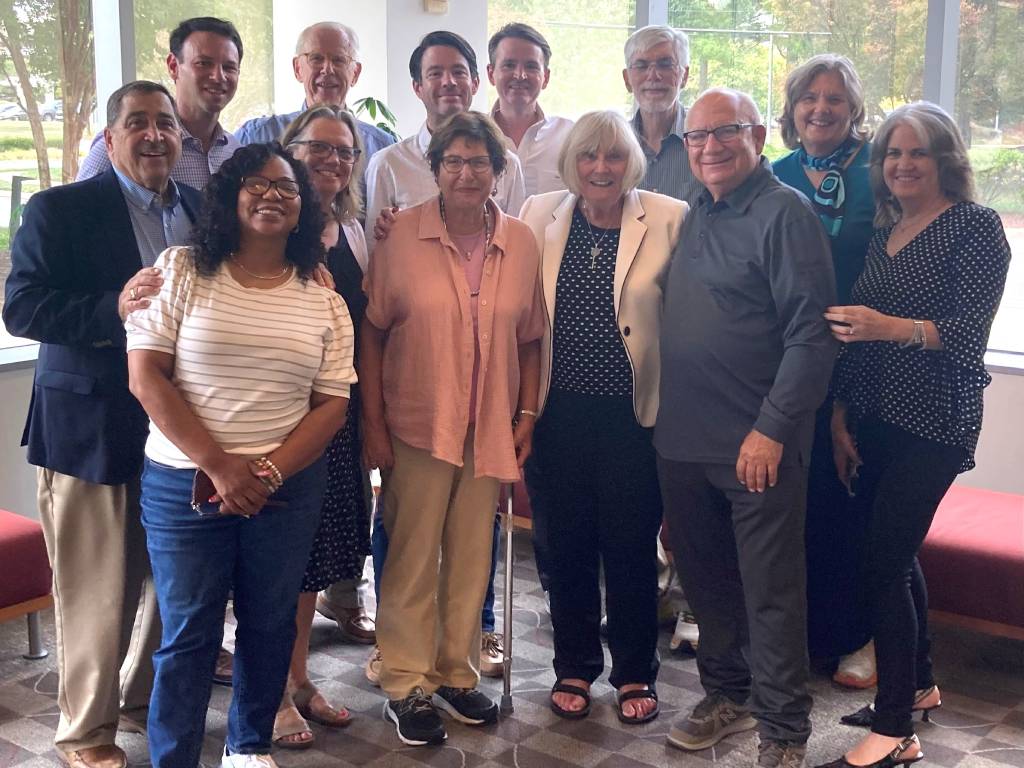
Another transformation happened in the last 25 years: the development of a focus on life participation, the founding of many aphasia centers, programs, and groups across the nation. How much these developments would have meant to people with aphasia from decades ago, who were mostly left on their own to figure out how to navigate their lives with aphasia!
Returning to serve on the NAA Board of Directors now, as I come to the end of my working career, fills my heart with joy. The challenges are different, and that’s to be expected with the passage of time and changes in the world. But the NAA is still the one national organization that has always and will always aim to serve and support everyone living with aphasia and their families.
In 2026, the NAA continues to be the place to find the program, group, resource, or information you need for the next step in your aphasia journey.
I have never walked in your shoes.
But I have walked beside you for a long time.
Your journey is my journey.
And it is the NAA’s journey, too.